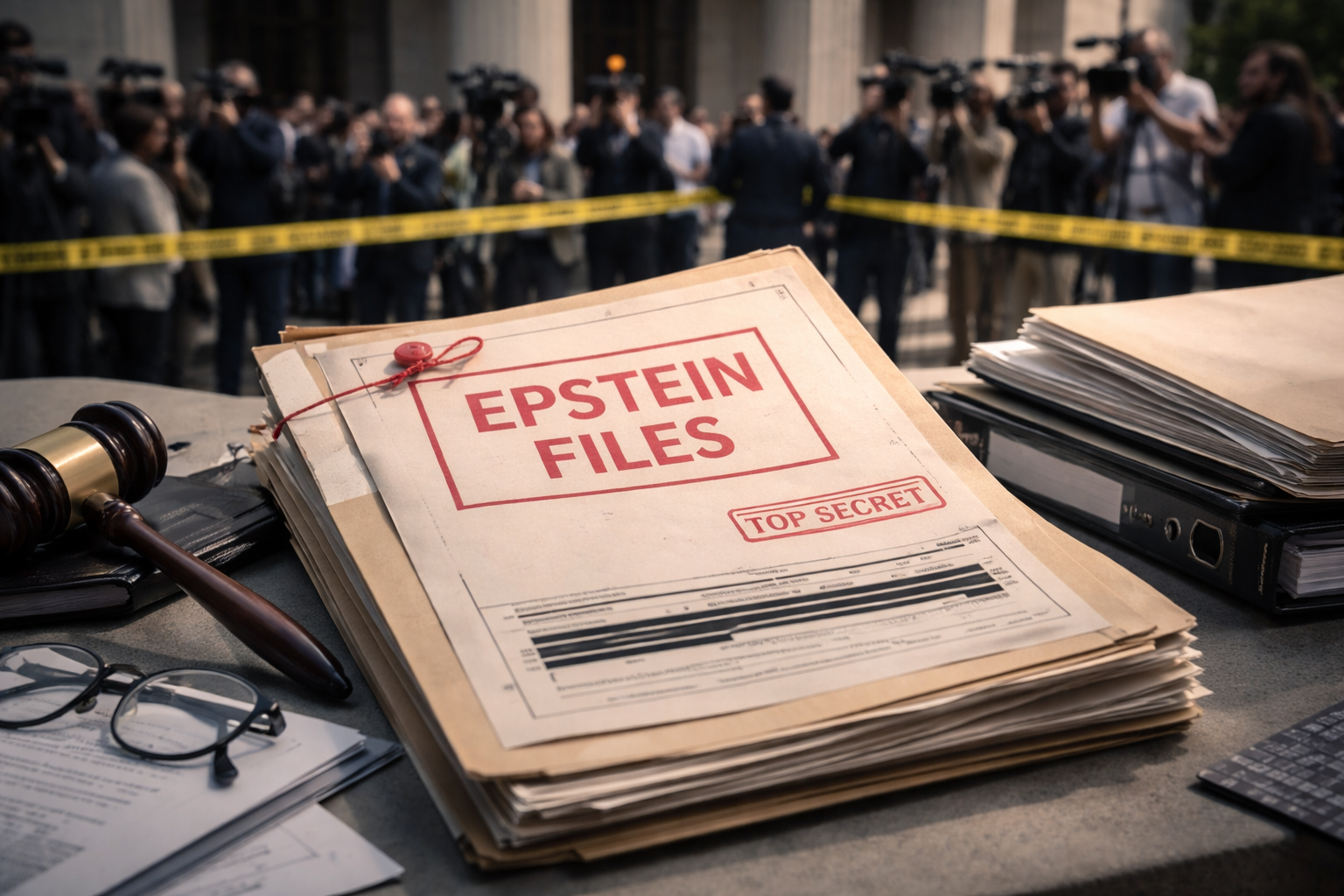
The Epstein files
Both tribes demand transparency. The split is what the absence of disclosure implies, and who is blamed for it.
-
Framing centers the harm as a lack of public accountability: powerful people remain unnamed or untested, and victims see incomplete justice.
-
Responsibility is placed on specific elites and networks of influence. The absence of full disclosure is interpreted as self-protection.
-
The concern is systemic: if highly connected people evade exposure, it reinforces a two-tier system of justice.
-
The motive is framed as politics and status preservation: disclosure threatens reputations, alliances, and power structures.
-
The moral demand is transparency. Disclosure is treated as the corrective to elite impunity.
They are portrayed as shielding powerful abusers (Trump), blocking transparency to protect their own allies, and treating elite connections as more important than justice for victims.
-
Records span investigative files, court filings, agency disclosures, and related proceedings across multiple jurisdictions and timelines.
-
Withholding can be driven by legal limits, privacy protections, and sealed court records, including redactions to protect victims.
-
Release decisions often involve legal review, exemptions, and court orders. Some disclosures require litigation or judicial unsealing.
-
The statute governs what can be published, with required redactions and review for protected or exempt material.
-
Outside of official releases and court-unsealed material, the public cannot verify everything that remains withheld.
-
Future release can be driven by agency review timelines, new court orders, FOIA litigation, or additional legal mandates.
- Left rejects: that the lack of full disclosure is routine or harmless rather than a sign of elite self-protection.
- Right rejects: that sealed or delayed releases are purely procedural rather than evidence of an institutional cover-up.
-
Framing centers institutional mistrust: the public cannot see what government and courts have, and assumes concealment.
-
Responsibility is placed on agencies and establishment networks. The absence of disclosure is interpreted as protection for insiders.
-
The concern is a government that can withhold information indefinitely and avoid consequences through process and secrecy.
-
The motive is framed as protection of reputation and power, with transparency delayed or diluted through bureaucracy.
-
The moral demand is disclosure, interpreted as the only way to counter institutional secrecy and elite networks.
They are portrayed as weaponizing accusations for political gain, smearing opponents without proof, and only interested in taking down Trump.
How two tribes interpret the same world
Both narratives demand transparency, but diverge on meaning. The left interprets silence as elite self-protection by individuals with wealth and access. The right interprets the same silence as institutional cover-up by entrenched power. The disagreement is not over whether the truth should be known, but over who is hiding it, and why.