Middle East • Global Trade • March 2026

The Hormuz Shipping Crisis

Shipping disruptions in the Strait of Hormuz are triggering global consequences, as competing narratives clash over cause and responsibility.

Shipping Energy markets Escalation
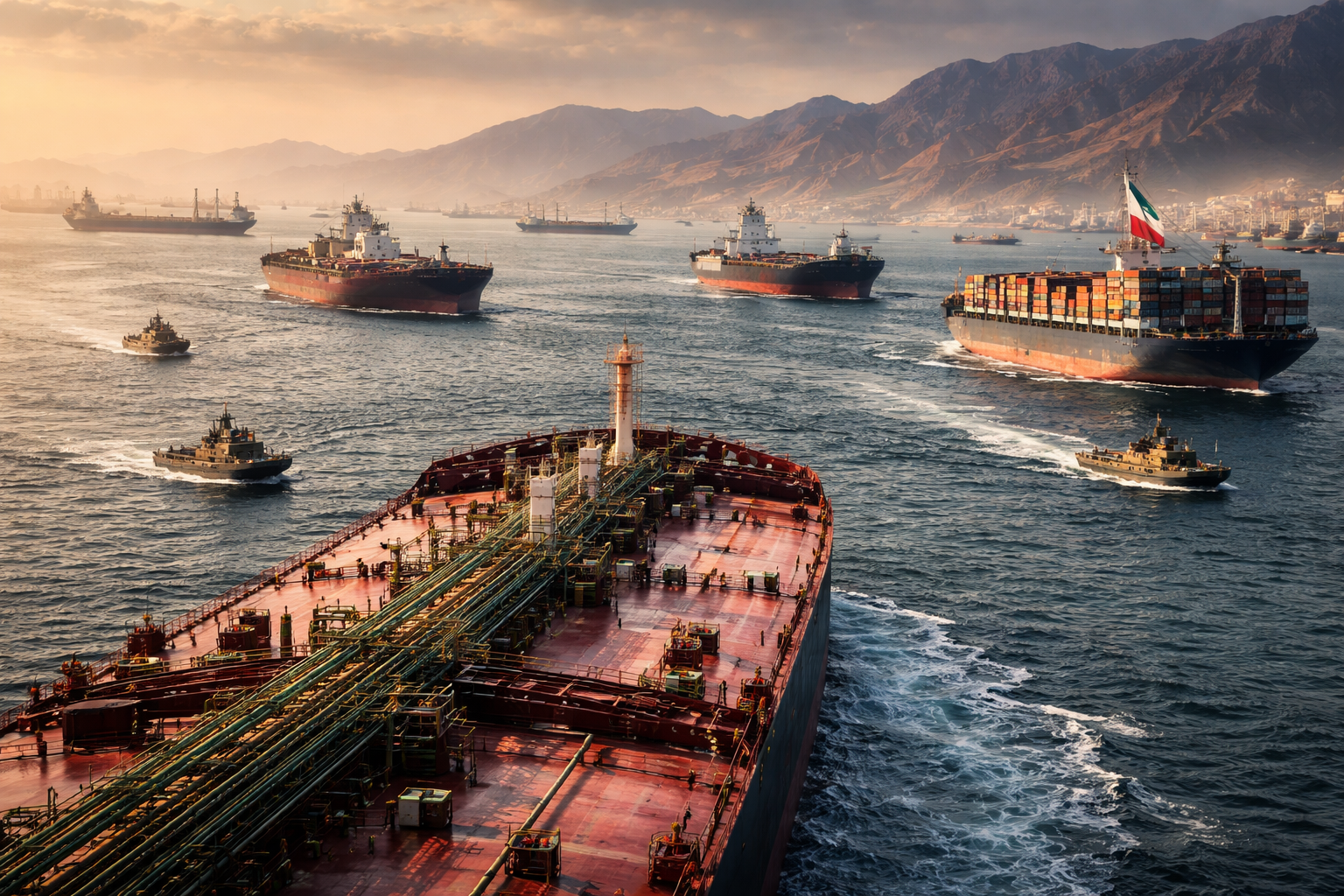
Neutral documentary-style image of cargo vessels and tankers near the Strait of Hormuz
Left narrative

A widening war is now punishing the whole world

  • In this framing, the people most harmed are not generals or politicians. They are households, workers, import-dependent countries, and poorer regions now facing higher fuel, fertilizer, and food costs.

  • The active force in the story is not just Iran. It is a broader military escalation that turned a regional war into a global shipping crisis, with Iran using the strait as leverage after being attacked.

  • The danger emphasized here is systemic. A narrow waterway now threatens oil flows, fertilizer trade, shipping insurance, and supply chains far beyond the Gulf.

  • This account says the crisis did not emerge from nowhere. It was produced by military choices, failed deterrence, and an underestimation of how much damage Iran could still do even after taking hits.

  • The lesson is that force may deepen the crisis faster than it solves it. The answer, in this view, is urgent de-escalation, pressure for talks, and fewer illusions about clean military solutions.

Demonizing the Other Side:

They are portrayed as chest-thumping hawks who helped light the fire, then acted shocked when the global economy caught it too.

Video perspectives
Ground reality

What is known, what is disputed, and what comes next

  • Commercial traffic through the strait fell sharply after the war expanded. Tankers and other vessels were stranded, shipping costs rose, and major firms began rerouting, suspending bookings, or waiting offshore.

  • Reuters reported multiple vessel attacks and damage in and around the Gulf. The strait is one of the world’s most important shipping chokepoints, carrying roughly a fifth of global oil and LNG supply in normal conditions.

  • One central dispute is descriptive. Some accounts call it a blockade or closure. Others describe a narrower but still highly effective pattern of attacks, threats, fees, and risk that keeps ships out without sealing every passage in a formal legal sense.

  • Governments and shipping firms are now working through a mix of military planning, insurance decisions, emergency supply measures, and diplomatic channels. Reuters reports that even a serious escort effort would be difficult because protecting Hormuz is harder than the Red Sea campaign.

What Each Side Rejects:
  • Left rejects: that the crisis appeared in a vacuum or can be solved by more force alone.
  • Right rejects: that Iran’s pressure campaign is mainly understandable blowback rather than coercion.
Video perspectives
Right narrative

Iran is weaponizing a global chokepoint

  • This framing centers ordinary consumers, commercial shipping, and allied countries whose energy security can be held hostage by one regime controlling access to a narrow waterway.

  • The acting force here is Iran itself. The story emphasizes strikes on ships, threats to navigation, and reported demands for payment as proof that Tehran is turning geography into coercion.

  • The danger is bigger than fuel prices. If Iran can choke a route this important and extract terms, then deterrence erodes and future maritime blackmail becomes more likely.

  • This account does not treat the shipping crisis as an unfortunate side effect. It treats it as a deliberate strategy by Tehran to raise the price of confronting it and to force the world to negotiate on Iranian terms.

  • The lesson in this telling is that weakness invites more pressure. The response should be tougher naval protection, allied unity, and no acceptance of coercive fees or selective passage rights.

Demonizing the Other Side:

They are portrayed as excuse-makers who can explain every act of coercion except the coercion right in front of them.

Video perspectives

Narrative map

The left treats the shipping crisis as blowback from a wider war and focuses on civilian costs, escalation, and failed strategy. The right treats it as proof that Iran is weaponizing a chokepoint and argues that only renewed deterrence can restore order. The middle fact pattern is substantial: shipping has been badly disrupted, attacks on vessels have been reported, and the biggest fight is over whether this is best understood as retaliation, extortion, blockade, or some mix of all three.

← Back to Briefs