Minneapolis • DHS/ICE • January 2026

The shooting of Alex Pretti

How two tribes framed the same incident, and how the framing changes what feels true.

Immigration Use of force Media split
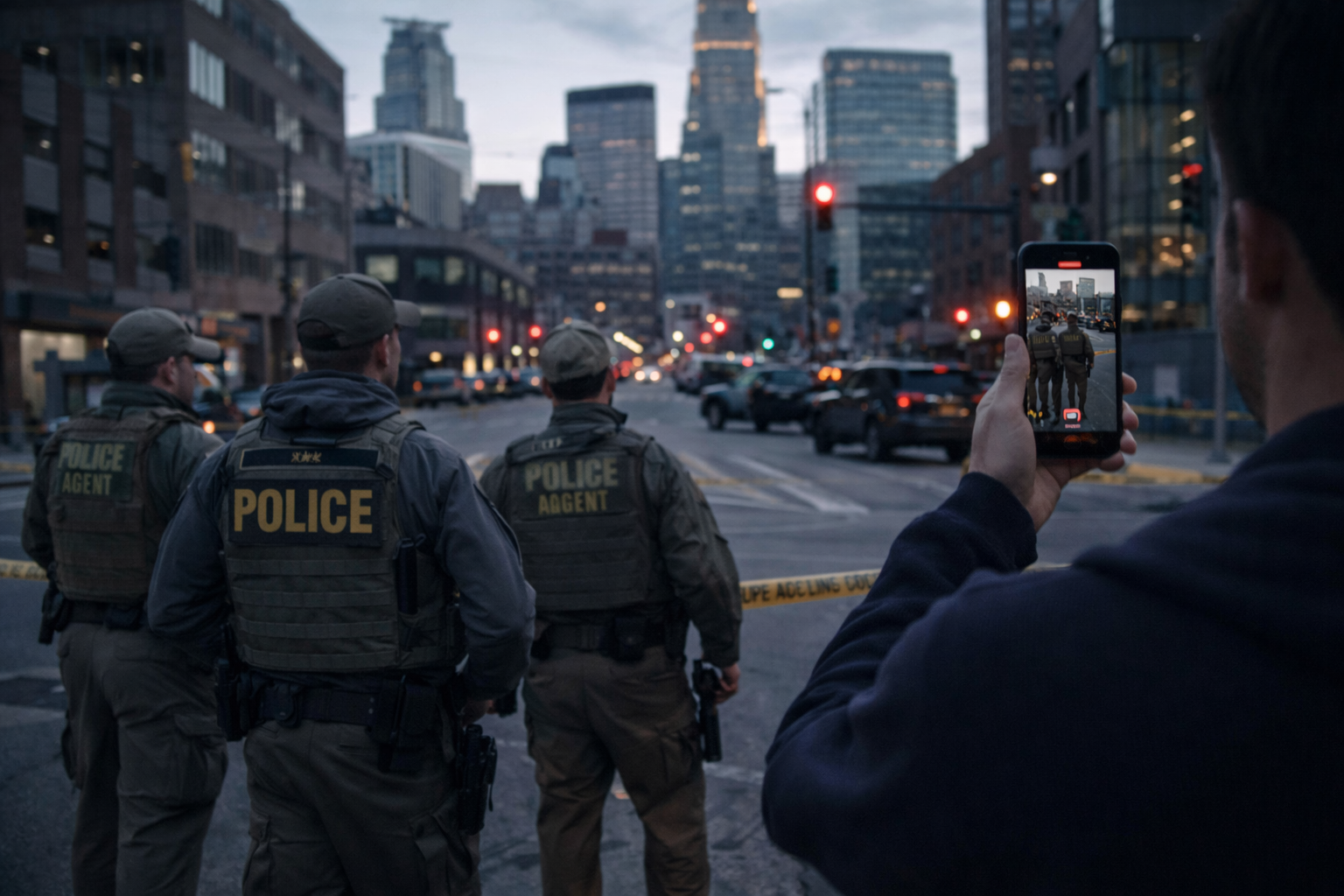
Documentary-style image of law enforcement and a bystander filming on a Minneapolis street
Left narrative

Federal agents kill a caregiver amid aggressive immigration enforcement

  • Pretti is centered as an ICU nurse and community member. The focus is on his caregiving identity, his motives for being there, and the human cost of enforcement escalation.

  • Federal agents are framed as a powerful state apparatus operating with limited transparency, where internal review processes and messaging become part of the story.

  • The incident is treated as part of a wider climate of intimidation and escalation, where ordinary civic activity can become dangerous during enforcement surges.

  • The killing is framed as a predictable outcome of intensified operations, combined with rhetoric that prizes toughness over restraint.

  • The call is for accountability: release information, protect civil rights, and ensure external oversight rather than internal review alone.

  • Demonizing the Other Side:

    They are portrayed as excusing the killing of civilians and enabling a slide toward a police-state society.

Video perspectives
Ground reality

What is known, what is disputed, and what comes next

  • Multiple outlets report a fatal shooting involving federal officers during an enforcement operation in Minneapolis.

  • At least one widely circulated video shows Pretti with a phone shortly before the shooting.

  • Reporting indicates a handgun was recovered after the shooting, though key details remain disputed in early accounts.

  • Statements about what officers perceived and what Pretti was doing have varied across early briefings and follow-up reporting.

  • The event is under review by more than one investigative pathway (internal and external), and further documentation may emerge.

  • What Each Side Rejects:
    • Left rejects: that this was a clean, justified shooting with nothing to answer for.
    • Right rejects: that federal agents executed an innocent man with no credible threat.
Video perspectives
Right narrative

Agents respond to a dangerous situation during lawful enforcement

  • The framing treats the officers as operating under threat and making split-second decisions during a high-risk encounter.

  • The agents are described as carrying out lawful duties and being forced into action by noncompliance and escalating conditions.

  • The threat is framed as resistance and disruption that makes routine operations unstable and potentially deadly.

  • The story emphasizes individual choices and the dangers of escalation during enforcement rather than broad policy critique.

  • The takeaway is patience and deference to investigative process, warning against rushing to conclusions from partial footage.

  • Demonizing the Other Side:

    They are portrayed as supporting lawlessness, obstructing law enforcement, and protecting violent criminals and child predators.

Video perspectives

Narrative map

The left foregrounds power and accountability: a caregiver killed by a state apparatus, with official claims contested by video. The right foregrounds volatility and enforcement legitimacy: officers facing resistance, forced into rapid decisions, with judgment deferred to investigations. The divergence is less about a single fact and more about which risks and values each side treats as primary.